

How Does Prolonged Extreme Stress Affect Mental and Physical Health? | Safe and Sound
Stress has become an unwanted companion for many in today's hectic life. However, when stress is only temporary, the body can adjust and recover. Conversely, if extreme stress persists, serious consequences for both mental and physical health are inevitable. Psychologists have repeatedly warned about these dangerous effects and encouraged everyone to proactively identify and manage stress in a timely manner.
Phi Thuy Linh | Bachelor of Public Health – Application of Safe and Sound Mental Health Care
1. What is prolonged extreme stress?
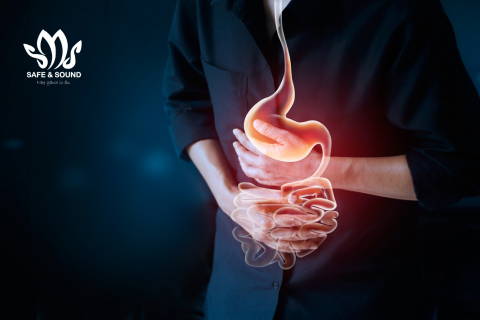
Prolonged extreme stress negatively affects the digestive system.
According to psychologists, stress is the body's natural reaction to threats, pressures, or major life changes. When stress reaches its peak and lasts for an extended period (weeks, months, or longer), the body loses its ability to self-regulate. At this point, cortisol levels remain consistently high, creating severe negative effects on the nervous, cardiovascular, digestive, and immune systems.
Some warning signs that you are experiencing prolonged extreme stress include:
- A persistent feeling of anxiety and restlessness.
- Frequent insomnia
- Reduced ability to concentrate
- Unexplained fatigue
- Body aches and pains
- Change your eating habits.
- Unusually irritable or withdrawn.
If you notice these signs, mental health professionals advise you to proactively seek early intervention.
2. The impact of prolonged extreme stress on mental health.
Prolonged stress is one of the leading causes of serious mental health problems. Psychologists point out that the impact of stress goes beyond temporary discomfort and can leave lasting damage if left unresolved.
2.1. Increased risk of depression and anxiety disorders
Under the constant influence of cortisol, the activity of neurotransmitters such as serotonin and dopamine is disrupted. This causes negative emotions to predominate, increasing the risk of depression and anxiety disorders. Psychologists emphasize that those with a history of mental health problems are even more susceptible to relapse or worsening when experiencing prolonged stress.
2.2. Memory and Concentration Impairment
Studies show that chronic stress damages the hippocampus—the brain region primarily responsible for memory and learning. Psychologists warn that this is a cause of "brain fog," a condition characterized by forgetfulness, lack of concentration, and decreased work and study performance.
2.3. Increased negative behavior

Prolonged extreme stress leads many people to turn to alcohol as a way to "heal" themselves.
When stress exceeds their tolerance level, many people tend to turn to alcohol, cigarettes, fast food, or other negative behaviors for temporary "self-healing." However, psychologists warn that these behaviors are easily addictive and lead to many negative long-term health consequences.
2.4. Increased feelings of isolation and low self-esteem.
People experiencing prolonged stress often feel lonely and tend to isolate themselves from social relationships. Psychologists say this isolation not only exacerbates stress but also accelerates the decline in mental health.
3. The impact of prolonged extreme stress on physical health.
Not only does prolonged extreme stress affect mental health, but it also has serious impacts on physical health. Psychologists and psychiatrists have pointed out many dangerous consequences of prolonged extreme stress, such as:
3.1. Cardiovascular diseases
When stress is prolonged, heart rate and blood pressure remain abnormally high. This increases the risk of cardiovascular diseases such as hypertension, heart attack, and stroke. Psychologists emphasize that many cases of sudden death due to cardiac arrest are directly related to chronic stress.
3.2. Weakened immune system
Prolonged stress significantly weakens the immune system, making the body more susceptible to viruses, bacteria, fungi, and other illnesses. Psychologists warn that, if left unchecked, stress can also slow down your recovery from illness.
3.3. Digestive disorders
People experiencing prolonged periods of extreme stress often suffer from stomach pain, irritable bowel syndrome, constipation, or diarrhea. This is a consequence of stress hormones negatively impacting bowel motility and the gut microbiome. Psychologists emphasize the importance of maintaining mental stability to protect digestive health.
3.4. Sleep disorders
Insomnia, restless sleep, or waking up in the middle of the night are common symptoms in people experiencing prolonged stress. According to psychologists, chronic sleep deprivation exacerbates other mental and physical health problems, creating a dangerous vicious cycle.
3.5. Body aches and pains
Muscle tension, neck and shoulder pain, back pain, and headaches are common physical symptoms caused by stress. Psychologists say this is because the body is constantly in a "fight or flight" state, leading to continuous muscle spasms.
4. Why do I need support from a mental health professional?
Psychologists consistently emphasize that dealing with prolonged, extreme stress on your own is incredibly difficult and dangerous. Professional support not only helps you understand the root causes of stress but also guides you on how to manage and overcome it safely and effectively.
- Assessing the psychological state: A psychologist will conduct tests and in-depth interviews to determine the level of stress and its associated effects.
- Develop a personalized treatment plan: Each person will have a unique treatment plan tailored to their circumstances, needs, and goals.
.png)
- Utilize psychological therapies: Psychologists often employ cognitive behavioral therapy (CBT), relaxation therapy, or emotional support therapy to help you manage stress effectively.
- Relaxation techniques such as deep breathing, mindfulness meditation, yoga, and journaling are recommended by psychologists to reduce daily stress.
- Long-term support: Working with a mental health professional for a sufficient period of time helps you not only overcome current stress but also prevent new stressful episodes in the future.
5. Important tips for preventing prolonged extreme stress.
Psychologists have offered several important recommendations to help you prevent prolonged periods of extreme stress:
- Proactively identify signs of stress from an early stage.
- Balance your time between work and life effectively.
- Maintain a healthy lifestyle: eat a balanced diet, get enough sleep, and exercise regularly.
- Establish relaxing habits: meditation, yoga, reading, and listening to soothing music.
- Build a social support network: Friends, family, colleagues
- Don't hesitate to seek help from a mental health professional when needed.
Stress is a natural part of life, but prolonged, extreme stress poses a serious threat to both mental and physical health. Psychologists consistently emphasize that proactively managing stress not only helps you live a happier and healthier life but also prevents many dangerous illnesses.

Safe and Sound Clinic - Psychological Support and Family Health
With a team of experienced doctors and experts, Safe and Sound Clinic is a pioneer in providing comprehensive healthcare for you and your family, offering services that cover both medical and psychological care.
"Early Prevention—Timely Support—Long-Term Companion."
If you suspect or encounter any physical or mental health issues, please contact HOTLINE 0964 778 911 (phone/Zalo, 24/7) for prompt assistance and support!
HOW TO MAKE AN APPOINTMENT
You can schedule an online or in-person consultation with our experts:
- At SnS Clinic - IMT Institute
- Or download and schedule a consultation through the Safe and Sound app to manage and track your appointments anytime, anywhere.
Safe and Sound (SnS)—a part of the Institute of Medical Technology (IMT)

See more:
Signs that you are experiencing excessive stress and how to deal with it.
When should you seek professional help from a psychologist if you are experiencing excessive stress?
A beginner's guide to practicing mindfulness to reduce stress.
